Call +1 (918) 760-8632

Process

Precision starts before the panels.

Move key decisions forward so design, engineering, manufacturing, logistics, and field work can speak the same language.

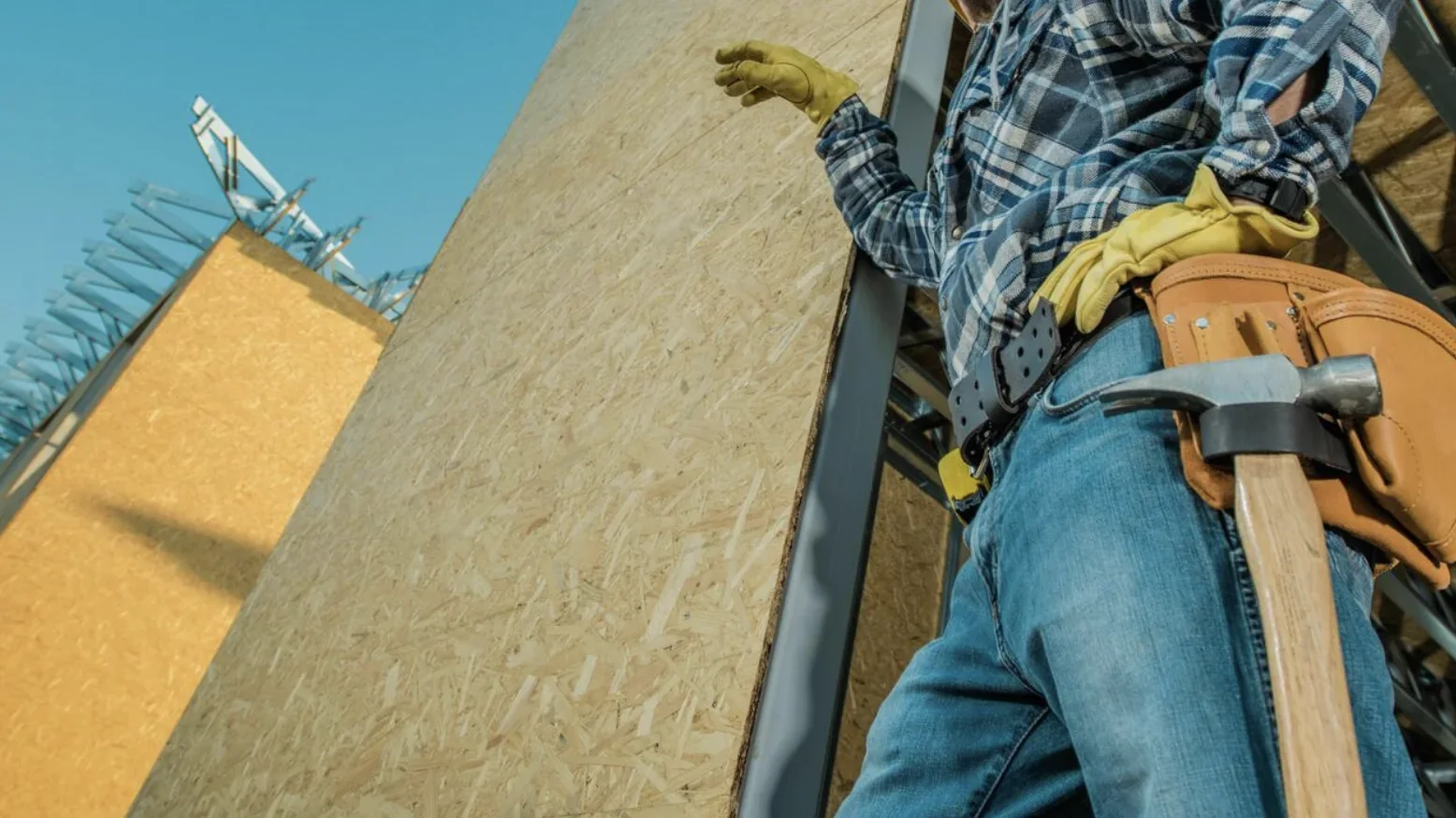
A construction professional working beside large structural panel walls

Five phases

A clear sequence for an integrated building system.

A general planning sequence for a SIP project.

01

Fit

Should this project use SIPs?

  • Clarify the site and intended use
  • Identify ownership and operating goals
  • Review approximate size, budget context, and timing
  • Define what is known and what remains unverified

Outcome

A reasoned decision about whether to continue with a SIP pathway.

02

Plan

How should the building and panel system develop together?

  • Coordinate architecture and panel layout
  • Study openings, roof forms, spans, and cladding
  • Plan electrical, plumbing, mechanical, and ventilation routes
  • Set performance and verification priorities

Outcome

A coordinated design direction with fewer unresolved interfaces.

03

Engineer

What project specific approvals and details are required?

  • Advance structural design and calculations
  • Confirm code and permitting requirements
  • Coordinate manufacturer details and panel drawings
  • Resolve connections, penetrations, loads, and tolerances

Outcome

Approved information that can support manufacturing and field preparation.

04

Prepare

Is the site and team ready for the panel package?

  • Align foundation dimensions and tolerances
  • Confirm logistics, lifting, storage, and weather protection
  • Assign installation and inspection responsibilities
  • Sequence panels, materials, trades, and critical checks

Outcome

A shared field plan before components arrive.

05

Build

How will the enclosure be assembled and verified?

  • Receive and protect the panel package
  • Assemble in the planned sequence
  • Complete joints, openings, connections, and water management
  • Inspect critical details and continue the complete project scope

Outcome

An enclosure built from coordinated project information.

Start a project

Start at the phase you are in.

Bring early questions, a site, a sketch, or developed plans. The first task is to establish what the project needs next.

Share your project